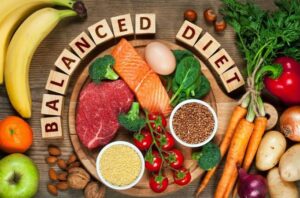

Eating plant-based foods is becoming more popular as people learn about the many benefits for both our health and the environment. Whether you decide to fully switch to a plant-based diet or just eat more fruits, vegetables, and grains, this lifestyle offers many positives. In this blog, we’ll look at the key benefits of eating more plants and how it can help your health, the environment, and animals.
Health Benefits of Plant-Based Eating
- Better Heart Health: Eating lots of fruits, vegetables, whole grains, and nuts can help your heart stay healthy. These foods are rich in fiber and antioxidants, which can lower cholesterol and reduce inflammation, keeping your heart in good shape.
- Helps with Weight Control: Plant-based diets usually have fewer calories and fat, which can help with weight management. The fiber in plant foods makes you feel full, so you’re less likely to overeat.
- Lowers Risk of Diseases: Research shows that plant-based diets can reduce the risk of serious health issues like type 2 diabetes, high blood pressure, and certain cancers. This is because plant foods are packed with vitamins, minerals, and antioxidants that support your overall health.
- Better Digestion: Plant-based foods are high in fiber, which keeps your digestive system running smoothly and prevents constipation. A healthy gut leads to better digestion and overall well-being.
- More Energy: Eating plant-based foods can give you more natural energy. These foods provide essential nutrients without the heavy, tired feeling you might get from processed or meat-based meals.
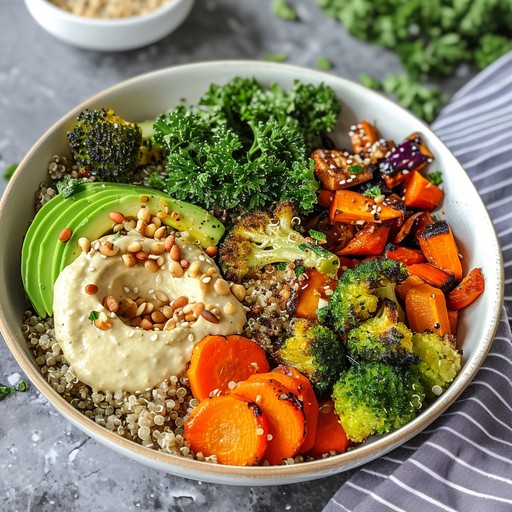
Environmental Benefits of Plant-Based Eating
- Lower Carbon Footprint: Eating fewer animal products helps reduce greenhouse gases. Animal farming is a big contributor to pollution, so eating more plants can help lower your carbon footprint.
- Saving Water: Growing plants uses much less water than raising animals for meat. By eating more plant-based foods, you’re helping to conserve our water resources.
- Less Land Use: Producing plant-based foods requires less land than raising animals. This means more space for nature and less destruction of forests and habitats.
Ethical and Animal Welfare
Many people choose plant-based diets to avoid harming animals. By cutting down on meat and animal products, you’re helping reduce animal suffering and supporting more humane food practices.
Tips for Starting a Plant-Based Diet
- Take it Slow: You don’t need to switch to a plant-based diet all at once. Start by adding more plant-based meals to your diet and gradually reduce your intake of meat and dairy.
- Try Plant Proteins: There are lots of tasty plant-based proteins like beans, lentils, tofu, and quinoa. Experiment with these in your meals to find what you enjoy.

- Explore Plant-Based Alternatives: There are many alternatives to meat and dairy products, such as almond milk, coconut yogurt, and veggie burgers. These make it easier to make the switch.

- Focus on Whole Foods: While there are processed plant-based foods available, it’s best to focus on whole, nutrient-rich foods like fruits, veggies, whole grains, nuts, and seeds for better health.
Conclusion
Eating more plant-based foods is good for your health, the environment, and animals. Whether you fully switch to a plant-based diet or simply add more plant foods to your meals, you’ll make a positive difference for your body and the planet. It’s a change that feels good and does good!
“This Content Sponsored by Genreviews.Online
Genreviews.online is One of the Review Portal Site
Website Link: https://genreviews.online/
Sponsor Content: #genreviews.online, #genreviews, #productreviews, #bestreviews, #reviewportal”