
In recent years, the relationship between physical health and mental well-being has gained significant attention. While exercise, sleep, and stress management are often emphasized, one crucial element that sometimes goes unnoticed is nutrition. The adage “you are what you eat” holds profound significance, particularly when it comes to mental health. In this blog, we will delve into how the foods you consume can influence your mood, cognitive function, and overall mental well-being.
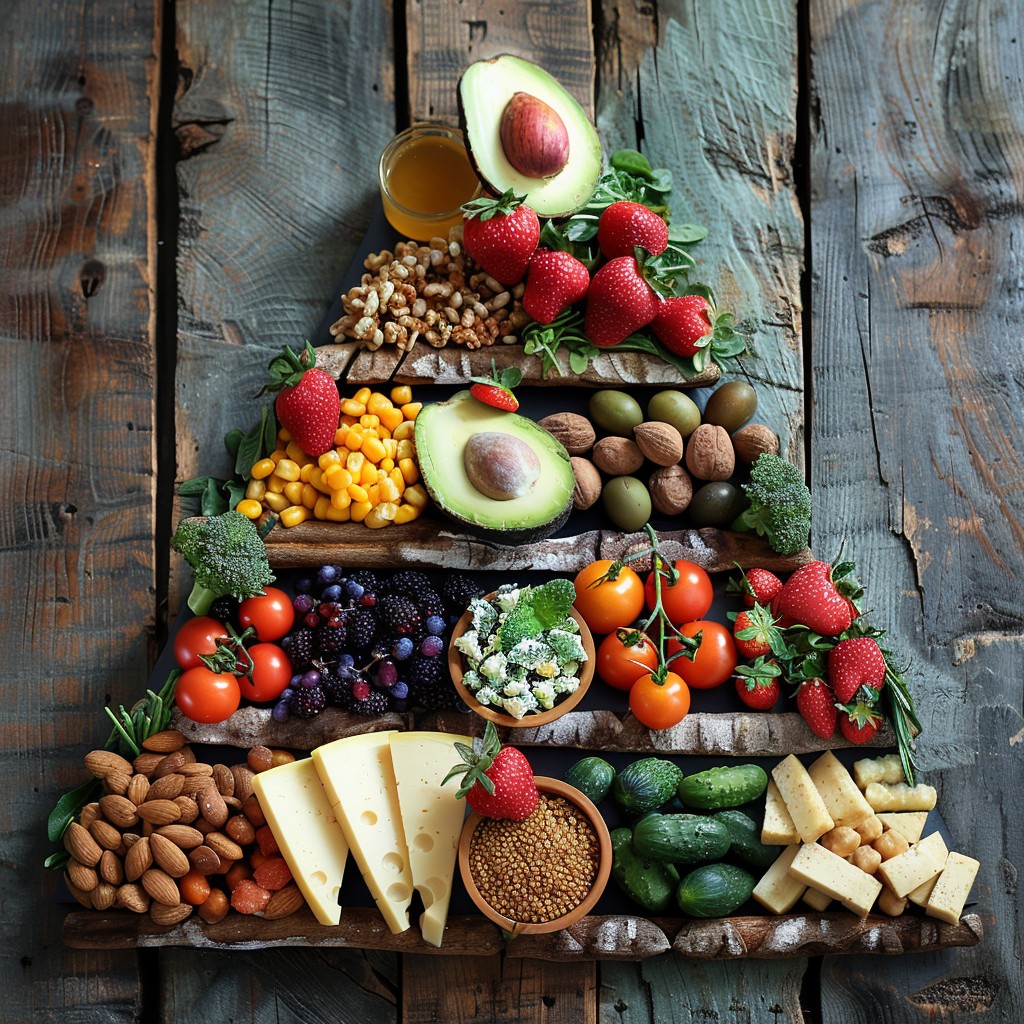
The Gut-Brain Connection: A Bidirectional Relationship
The gut, often termed the “second brain,” plays a pivotal role in mental health. This relationship, known as the gut-brain axis, is a sophisticated communication network linking the emotional and cognitive centers of the brain with the gut. The gut is home to trillions of bacteria, collectively known as the microbiome, which are essential for digestion, immune function, and even mood regulation.
Research indicates that a healthy gut microbiome is closely associated with enhanced mental health. Beneficial bacteria in the gut produce neurotransmitters such as serotonin, commonly referred to as the “happiness hormone,” which is crucial for mood regulation. Conversely, an unhealthy diet can disrupt the balance of gut bacteria, potentially leading to anxiety, depression, and other mental health disorders.
Key Nutrients for Mental Health
Just as your body requires specific nutrients to function at its best, so does your brain. The following are some key nutrients that play a vital role in mental well-being:
Omega-3 Fatty Acids: Found in fatty fish, flaxseeds, and walnuts, omega-3 fatty acids are essential for brain health. They possess anti-inflammatory properties and have been shown to alleviate symptoms of depression and anxiety.

B Vitamins: Vitamins such as B6, B12, and folate are crucial for brain function and the production of neurotransmitters. A deficiency in these vitamins can lead to symptoms of depression, fatigue, and cognitive decline. Foods rich in B vitamins include leafy greens, legumes, eggs, and lean meats.
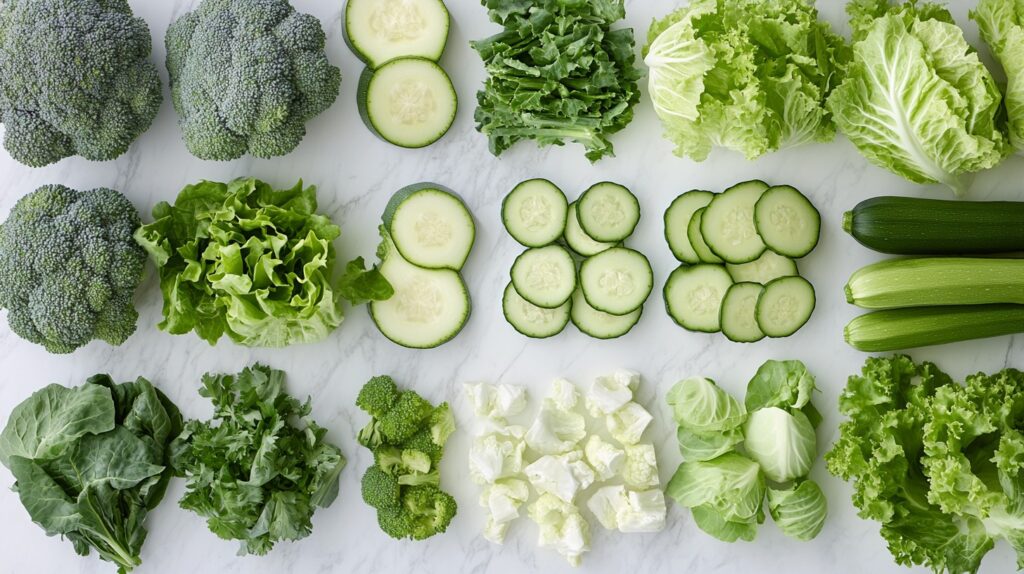
Magnesium: This mineral is involved in over 300 biochemical reactions in the body, including those related to mood regulation. Low magnesium levels have been linked to increased anxiety and stress. Foods rich in magnesium include spinach, almonds, and dark chocolate.
Probiotics: These live bacteria, found in fermented foods like yogurt, kefir, and sauerkraut, help maintain a healthy gut microbiome. Studies suggest that probiotics can reduce symptoms of depression and anxiety by improving gut health.
Antioxidants: Foods rich in antioxidants, such as berries, dark chocolate, and green tea, protect the brain from oxidative stress, which is associated with aging and mental decline. Antioxidants also support the body’s ability to combat inflammation, which is linked to various mental health conditions.
The Impact of Sugar and Processed Foods
While certain nutrients support mental well-being, others can have a detrimental effect. Diets high in sugar and processed foods are often associated with poor mental health outcomes. Excessive sugar consumption can lead to blood sugar spikes and crashes, causing mood swings, irritability, and fatigue. Additionally, processed foods often lack essential nutrients and are loaded with unhealthy fats, sodium, and additives that can negatively impact brain health.
A study published in the journal Psychiatry Research found that individuals who consumed a diet high in processed foods were more likely to experience symptoms of depression compared to those who ate a diet rich in whole, unprocessed foods. This finding underscores the importance of not just the quantity, but also the quality of your diet in supporting mental health.
Practical Tips for Eating for Mental Well-being
- Prioritize Whole Foods: Focus on a diet rich in fruits, vegetables, whole grains, lean proteins, and healthy fats. These foods provide the essential nutrients your brain needs to function optimally.
- Incorporate Omega-3s: Aim to include sources of omega-3 fatty acids in your diet several times a week. If you’re not a fan of fish, consider a high-quality fish oil supplement.
- Stay Hydrated: Dehydration can lead to fatigue and difficulty concentrating. Ensure you’re drinking enough water throughout the day to support both your physical and mental health.

- Limit Processed Foods and Sugars: Reduce your intake of processed foods, sugary snacks, and beverages. Opt for natural sweeteners like honey or maple syrup when you need a touch of sweetness.
- Consider a Probiotic Supplement: If your diet lacks fermented foods, a probiotic supplement can help support a healthy gut microbiome, thereby boosting your mood.
Conclusion: Nourish Your Mind with Your Diet
The link between nutrition and mental well-being is profound. By making mindful food choices, you can support your mental health and improve your overall quality of life. Remember, while diet is a critical component, it is not the only factor in mental well-being. A holistic approach that includes regular exercise, adequate sleep, and stress management will yield the best results. Nourish your mind through your diet, and you may find yourself feeling better both physically and mentally.
I hope you found this article to be both insightful and engaging. Happy reading!