

Tears hold significant meaning in our lives. We shed them during joyful moments, in times of pain, or even while chopping an onion. They are deeply intertwined with our emotional experiences.

Tears are produced by the lacrimal glands, located above each eye. When you blink, these tears spread across the surface of your eye. They then drain into small openings called puncta, found in the corners of your upper and lower eyelids. From there, the tears travel through tiny canals in the eyelids, down a duct, and finally empty into your nose, where they either evaporate or are reabsorbed.In some cases, babies are born with a blocked tear duct, a condition that usually resolves on its own. For adults, a blocked tear duct can result from an eye infection, swelling, injury, or a tumor.
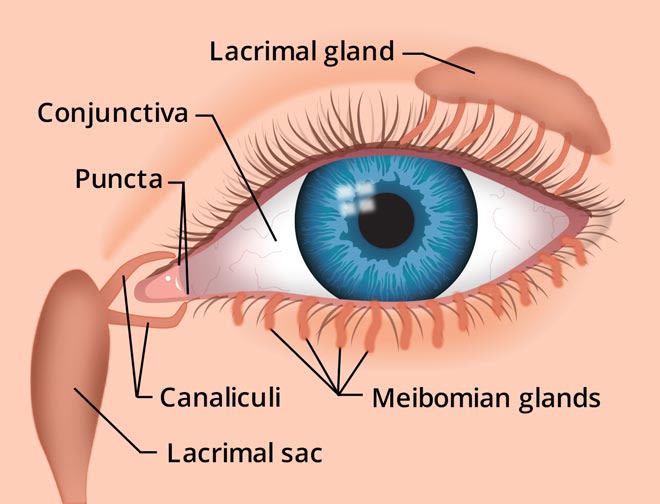
When a large volume of emotional or reflex tears is produced, it can overwhelm the lacrimal drainage system, causing tears to overflow from your eyes, run down your cheeks, and sometimes even dribble from your nose.
DIFFERENT TYPES OF TEARS
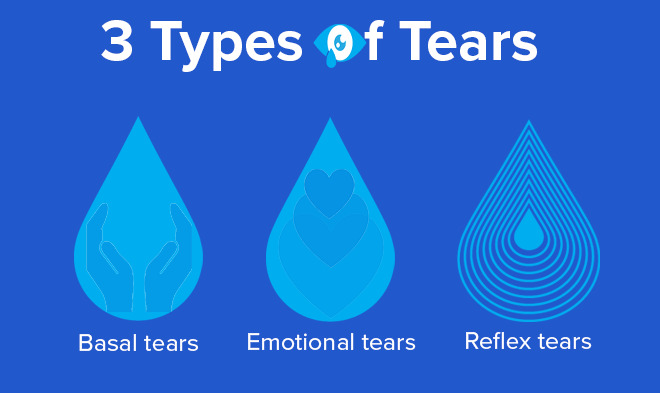
Tears serve multiple purposes, with different types produced in response to specific triggers or needs. Understanding these distinctions offers insight into their varied functions. Let’s explore the three primary types of tears:
- Basal Tears
- Emotional Tears
- Reflex Tears
- Basal Tears
Basal tears are constantly produced to keep the eye moist and lubricated, even when you’re not experiencing any emotions. These tears are crucial for maintaining the health of the eye’s surface. They also protect the eye from debris and foreign particles, helping to ensure clear vision and comfort.
2. Emotional Tears
Emotional tears, as the name implies, are triggered by strong feelings such as sadness, joy, or stress. These tears contain higher levels of stress hormones and natural painkillers, which may contribute to the relieving effect often linked with crying. Emotional tears act as a way to express feelings and can help reduce emotional stress.

3. Reflex Tears
Reflex tears are produced in response to external irritants like smoke, dust, or onions. They help flush out these irritants and protect the eyes from potential damage. Reflex tears are usually more watery than basal tears and act as a quick defense mechanism to maintain eye health and comfort.
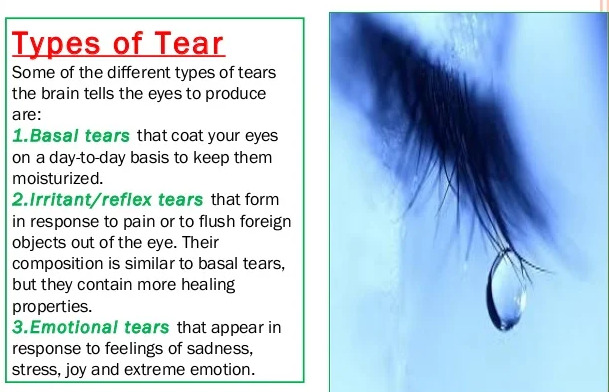
Tears serve a vital and multifaceted role in both eye health and emotional well-being. Basal tears maintain ocular moisture and protection, emotional tears facilitate emotional expression and relief, and reflex tears act as a protective response to external irritants. Each type of tear plays a crucial role in ensuring both physical comfort and emotional balance, underscoring their importance in our daily lives.
I hope you have gained a clear understanding of the tears and its types. I trust that this information has been both insightful and informative.
Enjoy your reading!