

Managing personal finances is a crucial skill in today’s fast-paced world. Whether you’re planning for retirement, paying off debt, or building wealth, understanding financial principles can help you achieve your goals. This blog explores actionable strategies to improve financial literacy and create a secure financial future.
1. Understanding Personal Finance
Personal finance refers to managing your money to achieve financial stability and growth. It encompasses budgeting, saving, investing, debt management, and retirement planning. Mastering these elements allows you to make informed financial decisions, paving the way to long-term success.
2. Benefits of Effective Financial Management
a. Financial Independence
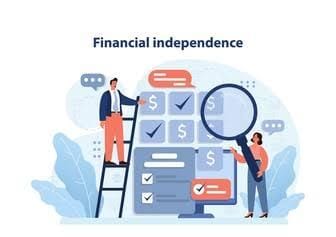
Proper financial planning ensures that you rely less on external support, granting you freedom to make decisions aligned with your goals.
b. Stress Reduction
Money-related stress is common, but a well-structured financial plan offers peace of mind and security, even in emergencies.
c. Wealth Creation
Managing your finances effectively lays the foundation for building wealth through disciplined saving and smart investments.
3. Building a Strong Financial Foundation
a. Create a Budget
A budget is the cornerstone of financial planning. It helps you track income and expenses, ensuring you live within your means.
- 50/30/20 Rule: Allocate 50% of income to essentials, 30% to discretionary spending, and 20% to savings or debt repayment.
- Use Tools: Apps like Mint or YNAB simplify budgeting by categorizing expenses and monitoring spending habits.
b. Emergency Fund
Set aside 3-6 months’ worth of living expenses in an easily accessible account. This cushion protects you during unforeseen events like job loss or medical emergencies.
c. Pay Off Debt
High-interest debt, such as credit card balances, can hinder financial growth. Use methods like:
- Debt Snowball: Pay off smaller debts first to build momentum.
- Debt Avalanche: Prioritize paying high-interest debts to save money in the long run.
4. Saving and Investing for the Future
a. Start Saving Early
Time is your greatest ally in building wealth. Consistent contributions, even in small amounts, accumulate over time thanks to compound interest.
b. Invest Wisely
Investing grows your wealth faster than saving alone. Diversify your portfolio to minimize risk and maximize returns.

Popular options include:
- Stocks and Bonds: Ideal for long-term growth.
- Real Estate: Provides steady income and appreciates over time.
- Mutual Funds or ETFs: Offer diversified exposure with professional management.
c. Retirement Planning
Begin planning for retirement as early as possible by contributing to retirement accounts like:
- 401(k): Employer-sponsored plans with potential matching contributions.
- IRA (Individual Retirement Account): Tax-advantaged accounts for long-term savings.
5. Protecting Your Finances
a. Insurance
Safeguard your wealth with essential insurance policies, including health, life, home, and auto insurance. Evaluate coverage periodically to ensure it aligns with your needs.
b. Estate Planning
Create a will, trust, and designate beneficiaries to ensure your assets are distributed according to your wishes.
c. Stay Vigilant Against Scams
Protect your financial information by using secure passwords, monitoring accounts for unauthorized transactions, and avoiding suspicious investment opportunities.
6. Improving Financial Literacy
Education is key to financial success. Consider these steps:
- Read Books: “The Total Money Makeover” by Dave Ramsey or “Rich Dad Poor Dad” by Robert Kiyosaki.
- Take Courses: Online platforms like Coursera or Udemy offer courses on personal finance and investing.
- Follow Experts: Stay updated with insights from financial advisors, blogs, or podcasts.
7. Common Financial Mistakes to Avoid
- Living Beyond Your Means: Avoid unnecessary debt by sticking to your budget.
- Neglecting Retirement Savings: Delaying contributions reduces the benefits of compound interest.
- Skipping Emergency Funds: Without a safety net, unexpected expenses can derail your finances.
8. Tracking Your Progress
Regularly review your financial goals to assess progress and make adjustments. Tools like spreadsheets or financial apps can help you stay on track.
Conclusion
Mastering personal finance is a journey, not a destination. By creating a budget, saving consistently, investing wisely, and protecting your wealth, you can achieve financial security and independence. Start today and take control of your financial future!
“This Content Sponsored by Buymote Shopping app
BuyMote E-Shopping Application is One of the Online Shopping App
Now Available on Play Store & App Store (Buymote E-Shopping)
Click Below Link and Install Application: https://buymote.shop/links/0f5993744a9213079a6b53e8
Sponsor Content: #buymote #buymoteeshopping #buymoteonline #buymoteshopping #buymoteapplication”